What is Breast Asymmetry?
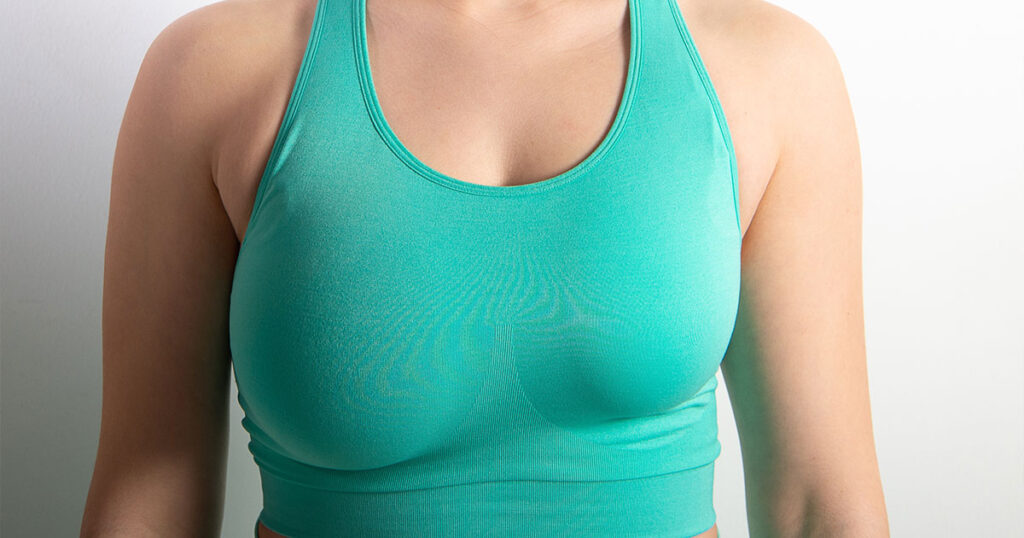
Breast asymmetry is a condition in which one breast is noticeably different from the other. The breasts may be a different size or shape, have significant differences in volume, or sit at different heights. No woman has perfectly symmetrical breasts—nature simply doesn’t work that way. But the dissimilarities between the breasts are usually subtle and sometimes hard to notice. Women with marked breast asymmetry, however, may have trouble finding bras and clothing that fit well and can be quite bothered by the situation.
Types of Breast Asymmetry
There are several different ways in which the breasts can be asymmetrical, and some of these asymmetries stem from different causes. Women may experience:
- Size Asymmetry (Uneven Breast Volume)
- One breast is noticeably larger or smaller than the other
- Common in patients with hormonal imbalances or uneven breast development during puberty
- Shape and Projection Asymmetry
- One breast may be round and full, while the other appears tubular or constricted
- Areolar and Nipple Asymmetry
- One nipple may be larger, higher, or positioned differently than the other
- Can result from natural development or previous surgeries
- Position Asymmetry (Breast Height Differences)
- One breast sits higher or lower on the chest than the other
- Sometimes congenital or caused by weight changes, pregnancy, or prior surgeries
Causes of Breast Asymmetry
Just as there are different types of breast asymmetry, there are also different causes. Unfortunately, these causes tend to lie outside of your control. It’s nice to understand them, but don’t stress about them. Common causes of breast asymmetry include:
- Breast tissue in each breast responding differently to estrogen and hormone changes during puberty
- Hormonal fluctuations and milk production can cause uneven stretching or volume loss
- Genetic predisposition to asymmetrical breasts
- Prior surgeries or trauma, such as lumpectomies or mastectomies
- Underlying medical conditions such as Poland Syndrome or tubular breast deformity
How Breast Asymmetry Is Diagnosed
Breast asymmetry is fairly easy to diagnose, and patients are often aware of the condition before visiting a doctor or plastic surgeon. Women with asymmetry often notice differences between their breasts on their own and seek out a plastic surgeon for help. The surgeon then evaluates breast volume, nipple position, and chest wall structure so they can formulate a surgical plan for correcting the asymmetry. A mammogram or ultrasound may be in order if the asymmetry in breast tissue seems to have occurred quickly, and these imaging tests can help your surgeon formulate their plan of attack for fixing the problem.
Surgical Correction of Breast Asymmetry
Patients often think that we correct breast asymmetry with a breast augmentation procedure, and sometimes we do. But you and your plastic surgeon have a few weapons in your breast asymmetry arsenal, and the one you choose will depend on your unique needs.
Breast Augmentation for Size Asymmetry
If your breasts are different sizes, placing breast implants in one or both of them can help to even out volume discrepancies. Silicone and saline implants are both workable options for this, although saline does give your surgeon a bit more control over implant size. If you opt to enhance both breasts, your surgeon will use two different implant sizes to make your breasts larger and more even.
If you prefer to stick with a natural alternative, a fat transfer augmentation may be a better choice for you. Rather than placing breast implants, this procedure involves harvesting unwanted body fat from places like your abdomen and thighs via liposuction. This fat is saved, processed, and then injected into your breasts as needed to enhance and even them out naturally.
Breast Lift (Mastopexy) for Position Asymmetry
Women often seek out breast lifts if their breasts begin to sag, but a lift can be an excellent way to correct breast position asymmetry. If one of your breasts sits higher than the other, a breast lift can elevate the lower breast to make it even with the higher one. A breast lift can easily be combined with a breast augmentation procedure if you have unevenness in both breast volume and position.
Breast Reduction for Large Breast Asymmetry
Sometimes the breasts are different sizes but are both large. In this case, a breast augmentation probably isn’t the way to go. Instead, your plastic surgeon may recommend the opposite approach and suggest performing a breast reduction on the larger breast. If both breasts are large, your surgeon can reduce the size of both and then make them more similar in size and shape. Breast reductions are sometimes combined with a breast lift as very large breasts often hang lower due to stretched skin and the pull of gravity.
Recap & Next Steps
Breast asymmetry is common and can be caused by hormonal changes, genetics, pregnancy, or medical conditions. Breast augmentations, reductions, or lifts can all effectively correct size, shape, and position differences. The right one for you depends on your unique anatomy and situation. Correcting breast asymmetry requires a very personalized approach, so we recommend scheduling a free virtual consultation where we can assess you and make an individualized recommendation.