What is Lipo 360?
Lipo 360, also called 360-degree liposuction, is a body-contouring procedure that removes stubborn fat from multiple areas around the entire midsection during one surgery. Rather than treating a single isolated area, lipo 360 typically contours the abdomen, waist, flanks (love handles), and back together to create a smoother, more balanced waistline from every angle.
What Areas Does Lipo 360 Treat?
Treatment with lipo 360 is unique in that it targets multiple areas of the body at once. The procedure treats all of the following areas as needed:
- Upper abdomen
- Lower abdomen
- Left and right flanks/love handles
- Lower back
- Upper/mid-back
Although it could, your lipo 360 procedure won’t necessarily treat all of these areas. The exact treatment locations will depend on your specific needs and aesthetic goals. Every surgical plan is different because every body is unique.
Traditional Liposuction Vs. Lipo 360
Traditional liposuction removes targeted areas of excess fat from the body. It is one of the most performed plastic surgeries worldwide and targets many of the same areas as lipo 360. Additionally, it may address fat in the thighs, buttocks, arms, chin, and neck. The focus is usually on one or a few specific areas where fat is stubborn or disproportionate.
Lipo 360 is a more comprehensive form of liposuction. It targets the midsection from all angles, hence the “360” descriptor. Rather than concentrating on one or two specific areas, lipo 360 focuses on the entire midsection, creating a more defined waistline and smoother transitions between the upper and lower body.
This chart provides a handy overview of the differences between the two procedures.
| Feature | Traditional Liposuction | Lipo 360 |
|---|---|---|
| Treatment approach | One or several selected areas | Circumferential midsection |
| Common areas | Abdomen, thighs, arms, chin, etc. | Abdomen, flanks/waist and back |
| Main goal | Localized fat reduction | Cohesive torso/waist contour |
| Number of areas | Depends on patient | Multiple connected torso areas |

Main Benefits of Lipo 360
Most patients feel lipo 360 is a worthwhile investment. The few who don’t generally go into the surgery with unrealistic expectations and therefore come out disappointed. It’s important you understand the actual benefits of the procedure and don’t assume additional perks, like weight loss, will come along with it. (It won’t.) Here are the benefits you can actually expect:
- Circumferential fat reduction: Lipo 360 treats the torso from the front, sides, and back for an improved body contour from any angle. The result is a more significant visual impact.
- Improved waist definition: Reducing flank and back fat can make the waistline more apparent.
- Smoother transitions: Connected treatment areas are contoured together as part of one surgical plan, alleviating transition areas left behind by multiple surgeries or plastic surgeons.
- One surgical session: Multiple midsection areas can be treated together, often avoiding the need for multiple traditional liposuction surgeries.
- Can provide donor fat for fat transfer: Donor fat can be used for a BBL, breast augmentation, or other procedures.

Are You a Good Candidate for Lipo 360?
A strong lipo 360 candidate typically has localized subcutaneous fat around multiple parts of the torso despite being relatively close to a stable goal weight and having adequate skin elasticity. You should also be:
- A nonsmoker
- In need of fat removal only — liposuction will not remove excess skin
- In good general health and have any ongoing medical conditions such as hypertension under control
- Realistic in your expectations of what the surgery can and can’t do
- Looking for targeted fat removal rather than overall weight loss
- Willing and able to devote the necessary time to recovery and follow your surgeon’s post-op instructions
How Lipo 360 Surgery Works
Lipo 360 uses the same basic technique as traditional liposuction. It involves the use of a cannula (a thin, hollow tube) inserted under the skin to suction out fat. The primary difference is that your surgeon is working across multiple, connected anatomical zones to create a smooth contour and more cohesive result. It’s not about removing as much fat as possible — it’s about removing the right amount of fat from the proper places to create the desired result. In general, the procedure goes as follows:
-
Marking
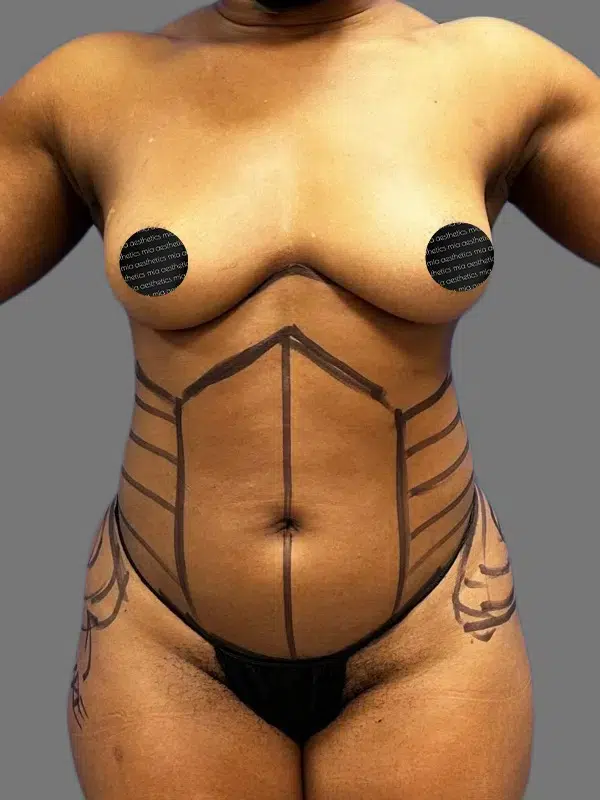
Your plastic surgeon will mark your body where they plan to remove excess fat. They will likely do this while you are standing up.
-
Anesthesia
After marking, you will be prepped for surgery and placed under general anesthesia.
-
Incisions
Small incisions will be made in discreet locations around your midsection. Whenever possible, our skilled surgeons will hide the incisions within the natural contours of your body.
-
Tumescent Fluid
Tumescent fluid is introduced to the area. Consisting mostly of numbing agents, this fluid impregnates the fat so that it swells and is easier to safely remove. It also reduces postsurgical pain.
-
Fat Removal
A power-assisted liposuction (PAL) cannula is inserted through the incisions. PAL helps your surgeon remove fat more effectively and efficiently. We use the smallest cannula possible to loosen and remove the fat.
-
Closing & Recovery
Your incisions will be closed, and you will be monitored in the recovery room as you come out of anesthesia.
Lipo 360 Limitations
Lipo 360 is a fantastic tool for patients who want to remove excess fat around their torso. If your goal is a cohesive look that looks good from every angle, this may be the surgery for you. But the procedure does have limitations. It does not correct:
- Loose/excess skin
- Abdominal muscle separation (diastasis recti)
- Visceral fat
- Obesity
- Cellulite
If you have excess skin or diastasis recti, you may need a tummy tuck instead of or in addition to your lipo 360. Your surgical coordinator can help you determine where your issues lie and how best to treat them.
Real Lipo 360 Results
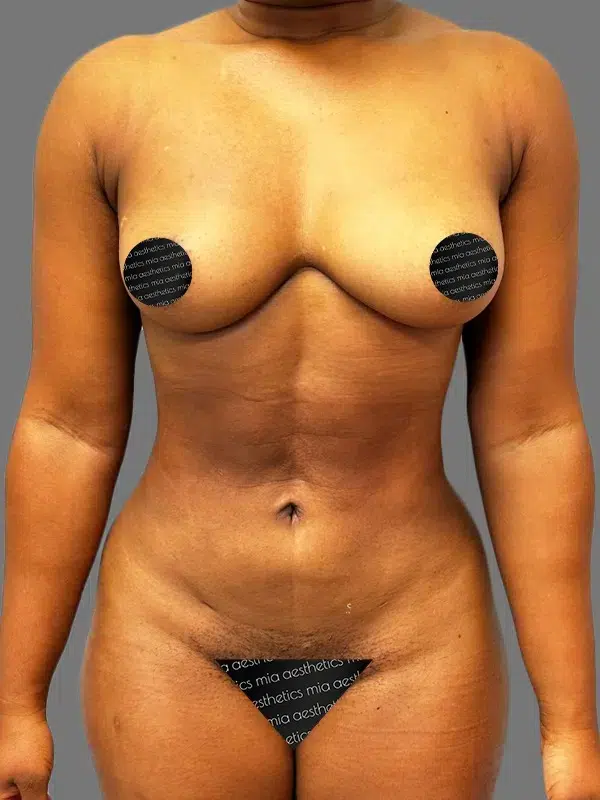
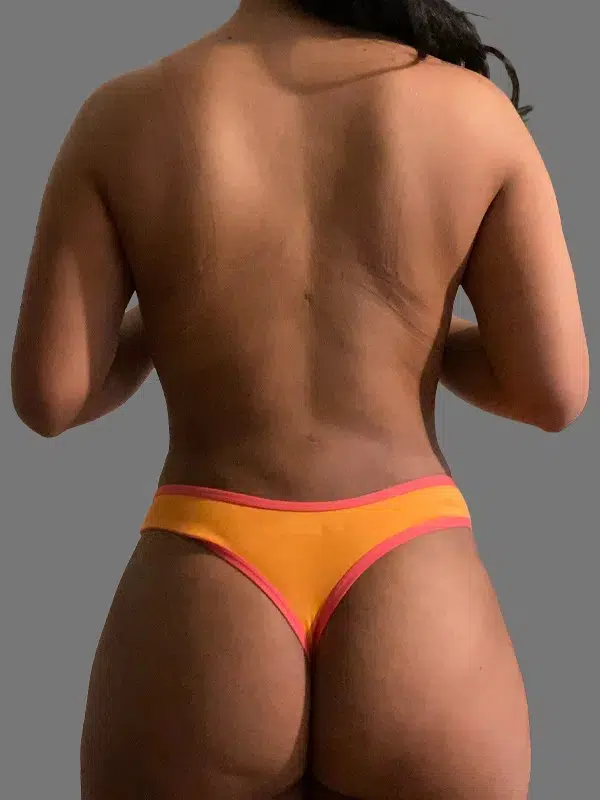
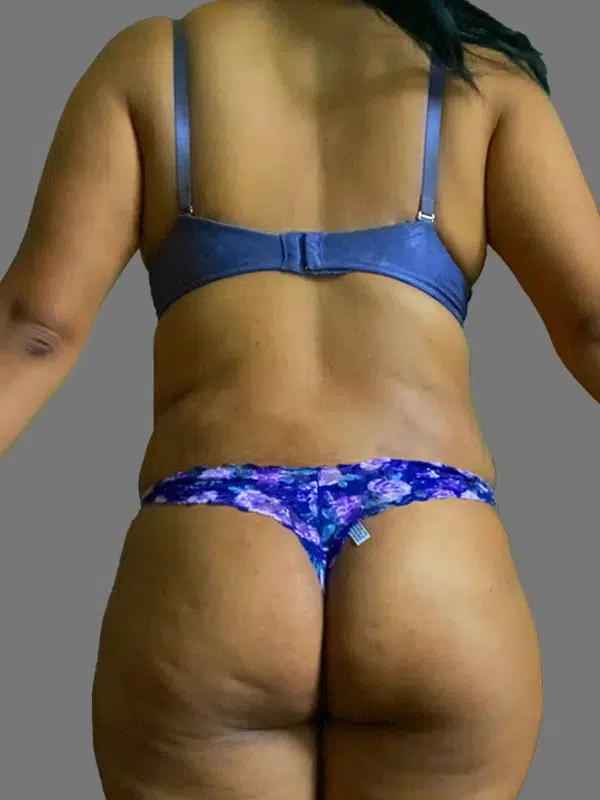
Every lipo 360 is tailored to the patient’s anatomy and aesthetic goals. Drag the handle across each photo to compare the before and after.