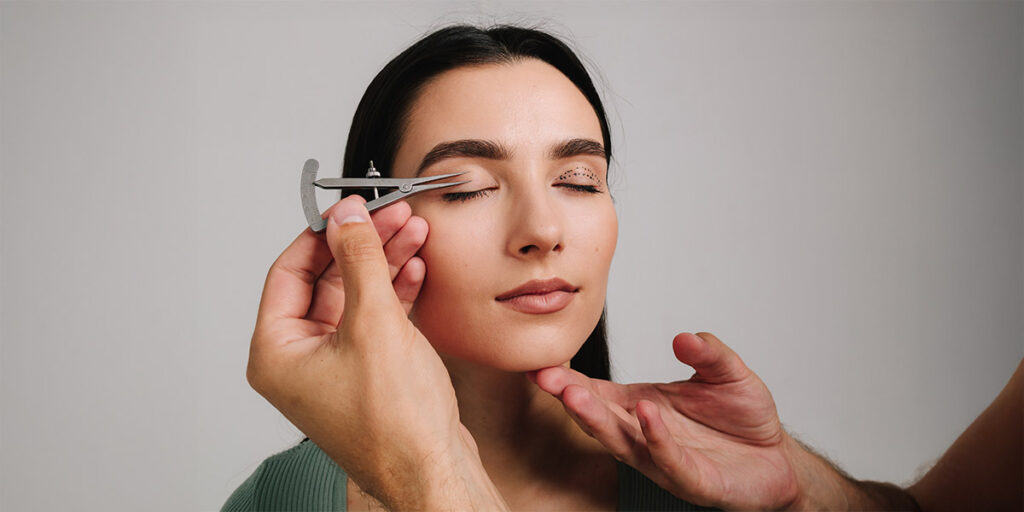
What is Ptosis of the Eyelid?
Ptosis of the eyelid is a fancy medical way to refer to a drooping eyelid. The lid may droop a little or may droop far enough to obscure or obstruct your vision. It can droop far enough to cover your entire pupil. Ptosis should not be confused with a sagging or drooping brow; ptosis involves the upper eyelid only.
What Causes Ptosis of the Eyelid?
Typically, ptosis occurs with age as the levator muscles that hold the eyelids open weaken. Sometimes, however, it is the ligaments around the eye or the nerves that suffer damage rather than the muscle itself. In some cases, previous eye surgeries can also contribute to ptosis. This occurs when the instruments used to hold the eyelids open during surgery stretch the muscle.
Although often caused simply by the aging process, injury or illness can also cause ptosis. Illnesses that can create the condition include:
- Styes
- Horner syndrome
- Myasthenia gravis
- Stroke
- Tumors
- Opthalmoplegia (paralysis of the eye)
Ptosis in Adults Vs. Children
Adults tend to develop ptosis later in life due to age or illness. Children who have the condition are usually born with it, however, and it is then called congenital ptosis. If your child has ptosis, it’s critical that they see an ophthalmologist regularly as they could have or develop other eye conditions as well. They could also develop other conditions as a result of compensating for the ptosis, such as by continually tilting their head back to see. It’s important to have your child evaluated to see if their ptosis requires treatment. Mia Aesthetics, however, only treats ptosis in adults.
When Should You Be Worried About Ptosis?
It’s important to correct ptosis in children and in adults when the sagging affects vision. Mild sagging is generally a cosmetic issue in adults, but some feel the need to treat it as it makes them look tired and feel self-conscious. Ptosis as a cosmetic issue is generally not worrisome, however, unless it bothers you.