The Structure of the Glutes
Each of your buttocks consists of three separate muscles, and you’ll want to work all of them if you’re going to firm up your sagging butt. The largest of these muscles is the gluteus maximus, which forms the bulk of your butt. This muscle’s job is to control the movement of your hip and thigh while stabilizing your hip joint. It is active during activities like climbing stairs, standing from a sitting position, and sprinting.
The gluteus medius sits behind the gluteus maximus muscle and extends from the top of the hip to the thigh bone. The gluteus medius is crucial for abducting the thigh (moving it away from the body’s midline) and rotating it. It plays a key role in stabilizing the pelvis when the opposite leg is raised, which is essential for walking and running.
Attaching lower on the hip bone but still reaching the thigh bone, the gluteus minimus is the smallest and deepest of the gluteal muscles. Similar to the gluteus medius, the gluteus minimus aids in the abduction and rotation of the thigh. It also helps stabilize the pelvis during movement.
The Importance of Compound Exercises
While any exercise that focuses on gluteal muscles will strengthen them, it’s crucial that you incorporate compound exercises into your workout routine. Compound exercises like squats, deadlifts, and lunges engage multiple muscles at once. This makes your workouts more efficient, but there are many other reasons to include these types of exercises.
Compound exercises mimic natural movement patterns and develop the muscles needed for daily activities, improving functional strength. Strong glutes are crucial for movements such as lifting, climbing stairs, and jumping, making compound exercises highly practical for enhancing everyday performance.
Performing compound movements also engages your core, which helps you maintain proper form and balance. Strengthening core muscles also helps to stabilize the pelvis and lower back, enhancing the effectiveness of exercises that target the glutes. Because you’re working multiple muscle groups, compound exercises also use more energy and thereby burn more calories. This increased metabolic rate can help reduce body fat, making the glutes more prominent and toned.
Lastly, engaging large muscle groups with compound exercises helps increase the production of hormones such as testosterone and growth hormone, which are essential for muscle growth and recovery. This hormonal boost aids in building stronger, larger gluteal muscles as part of overall muscle development
Sample Workout Routine
Creating an effective workout routine specifically tailored to firm and strengthen the buttocks involves incorporating a variety of exercises that target the gluteal muscles from different angles and with various intensities. Below is a sample workout routine designed to help achieve a firmer, more toned butt. This routine can be performed 2-3 times a week, allowing adequate rest days in between for muscle recovery.
Warm-Up (5-10 minutes)
Start with a light warm-up to increase blood flow and prepare your muscles for exercise. This could include:
- 3 minutes of light jogging or brisk walking
- Dynamic stretches such as leg swings and walking lunges
Main Workout
Squats
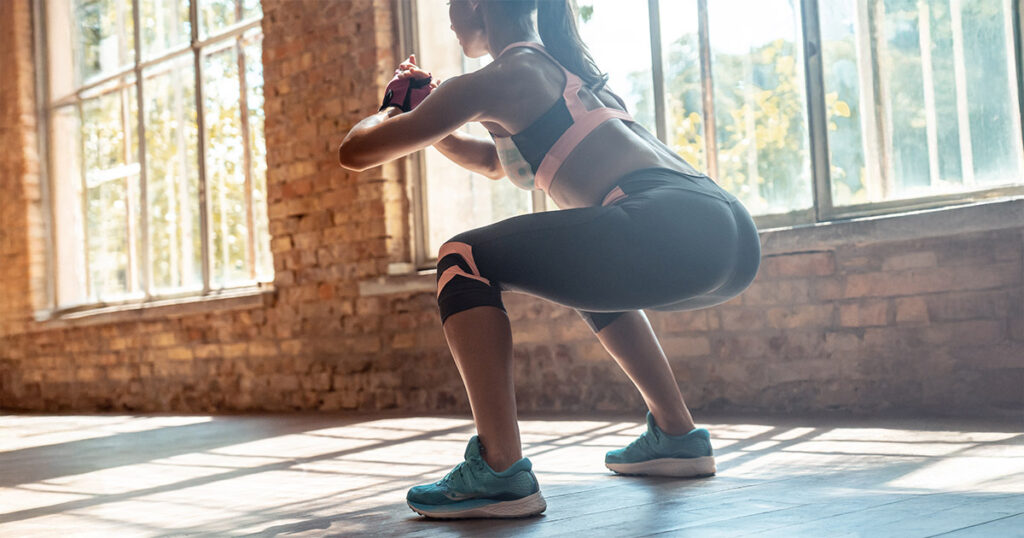
Instructions: Stand with feet shoulder-width apart. Bend your knees and lower your body as if sitting in a chair, keeping your back straight and knees behind your toes. Push through your heels to return to the starting position.
Sets/Reps: 3 sets of 12-15 reps
Lunges
Instructions: Step forward with one foot and lower your hips until both knees are bent at about a 90-degree angle. Make sure your front knee is directly above your ankle, not pushed out too far. Push back to the starting position and repeat on the other side.
Sets/Reps: 3 sets of 10 reps per leg
Hip Thrusts
Instructions: Sit on the ground with a bench directly behind you. Lean against the bench so that your shoulder blades are near the top of it. Drive through your feet, extending your hips vertically until they are in line with your shoulders and knees. Hold for a moment at the top, then lower back down.
Sets/Reps: 3 sets of 12 reps
Step-Ups
Instructions: Stand in front of a bench or a raised platform. Step up with your right foot, pressing through the heel to lift your body up. Step down with the same foot and repeat, then switch legs.
Sets/Reps: 3 sets of 10 reps per leg
Deadlifts
Instructions: Stand with your feet hip-width apart, holding a barbell or dumbbells in front of your thighs. Keep your back straight, bend your knees slightly, and bend forward at the hips to lower the weights towards the ground. Lift back to the start.
Sets/Reps: 3 sets of 12 reps
Cool Down and Stretch (5-10 minutes)
Finish your workout with a cool-down session to help reduce muscle soreness and enhance flexibility. Include static stretches focusing on the glutes, hamstrings, and lower back, such as:
- Pigeon pose
- Quadriceps stretch
- Butterfly stretch
Hold each stretch for about 20-30 seconds.
This is only a sample workout, so feel free to add or subtract exercises as necessary to meet your fitness goals. The intensity of each of these exercises can be increased by adding weights or increasing the amount of weight you use. Just be sure to take it slow and don’t overdo it.
Proper Form & Safety
Whatever glute exercises you choose, make sure you’re doing them properly. Performing exercises without the proper form leads to an ineffective workout at best and can injure you at worst. There are plenty of instructional guides and videos online, and a personal trainer can help you until you learn what you’re doing.
Common Mistakes to Avoid
There are a few common mistakes people make with specific glute exercises. Squats can be tricky, and people often fail to lower the hips enough (enough means achieving at least a 90-degree angle at the knees) or allow the knees cave inward. Lunges too seem simple but are deceptively difficult to execute correctly. Avoid the mistake of allowing your front knee to drift beyond your toes and make sure you drop your back knee low enough towards the floor.
As for mistakes to avoid with your workout overall, don’t focus solely on high repetitions with light weights. While high reps can be beneficial, incorporating heavier weights with fewer repetitions can stimulate muscle growth more effectively. Varying your routine to include both high and low reps with appropriate weights can provide balanced results.
It’s also important to vary your exercises. It’s easy to settle into a routine that you like, but doing the same exercises repeatedly can lead to a plateau where the muscle adapts and stops growing. It’s important to vary your routine to challenge the muscles differently, promoting continued growth and strength.
Balancing your workout to include other muscle groups, such as the hamstrings and quads, is also essential. Overfocusing on the glutes can lead to muscular imbalances that might impact posture and movement efficiency. In other words, don’t skip leg day.
Progression & Rest
Progression and rest are important concepts in weight training but ones that beginners often overlook. Progressive overload is a fundamental concept in strength training that involves gradually increasing the amount of stress placed on the muscles during exercise. This principle is crucial for stimulating muscle growth and improving strength over time. If you don’t increase the amount of weight that you are using when exercises start to feel too easy, you won’t challenge the muscles and they will stop growing.
Rest and recovery are also crucial components of any strength training program, serving as the foundation for muscle growth, strength gains, and overall fitness. During strength training, muscles undergo stress and microscopic damage to their fibers. The repair process, which happens during rest, not only heals these fibers but also makes them stronger and larger. This is how muscles grow in size and strength. Without adequate rest, muscles cannot fully recover, potentially leading to overuse injuries and muscle fatigue.
Lifestyle Habits for a Strong Butt
Developing a strong, well-toned butt involves more than just exercise; it also requires incorporating certain lifestyle habits that support muscle growth and overall health. It helps to eat a diet rich in protein to aid muscle repair and growth. Include lean meats, fish, dairy, legumes, and nuts in your diet. Carbohydrates are also important for energy, so incorporate whole grains, fruits, and vegetables to fuel your workouts. Healthy fats from sources like avocados, olive oil, and nuts can support hormone functions that are vital for muscle development.
Adequate hydration is equally important and directly impacts muscle performance and recovery. Staying hydrated helps maintain the health of every cell in your body, including those in your muscles. Sleep is just as important as water. Muscle recovery and growth predominantly occur during sleep. Aim for seven to nine hours of quality sleep per night to give your body enough time to repair and grow stronger.
If you want a better butt, it’s also important that you get off of it. Frequent and extended periods of sitting can contribute to a sagging butt. If you work at a desk, try to stand or walk regularly throughout the day to keep your glutes engaged. Maintaining good posture and being mindful of your movements throughout the day can enhance muscular function and activation as well. Good posture also makes your butt look better.
How Long Will It Take to See Results?
The time it takes to see results from butt exercises can vary widely depending on several factors including your starting point, exercise regimen, consistency, diet, and overall lifestyle. Generally, however, people start to notice improvements in their overall strength and endurance in four to six weeks. These changes are not visually dramatic, but they do indicate that you’re making progress.
At the eight- to 12-week mark, you are likely to start noticing visible improvements in your buttocks. This is when muscle growth becomes more apparent. With continued effort, you will see significant changes in your muscle size and definition in three to six months.
Benefits of Strong Glutes
Strong, well-developed glutes obviously have aesthetic appeal. But they can do more than make you feel good or get you a date. Strong glutes also lead to:
- Improved posture
- Reduced back pain
- Better athletic performance
- Less risk of injury when exercising
- Increased metabolism