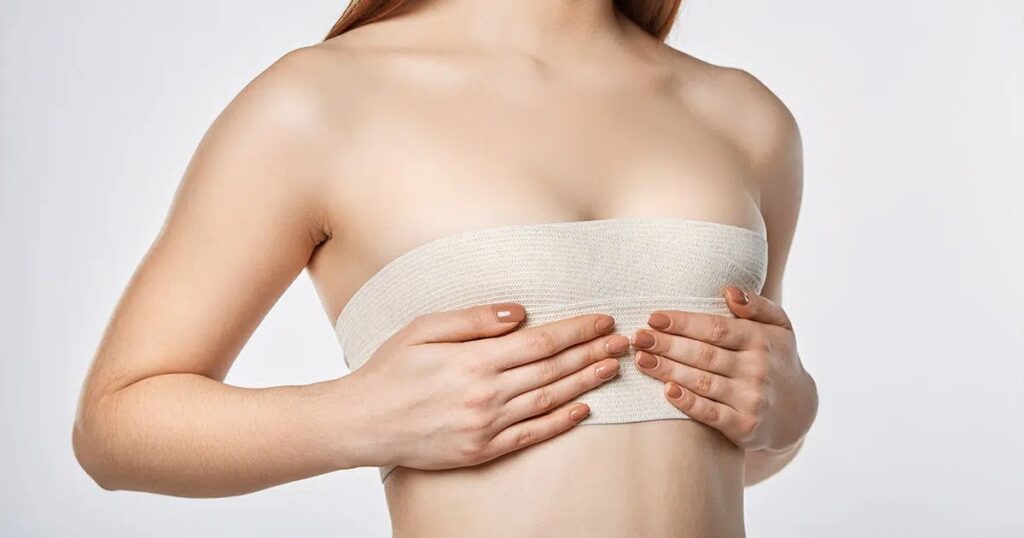
Swelling After Breast Reduction: How to Manage It Effectively
Swelling is a normal part of recovering from breast reduction surgery, but it can make your breasts sore and tender along the way. It can also make them look uneven if one breast swells more than the other. Fortunately, swelling is temporary and manageable. We’ll tell you what to expect and give you a few pointers on how to minimize swelling along the way.
Why Swelling Occurs After Breast Reduction
Swelling after surgery is part of your body’s natural inflammatory response. When your body suffers an injury, blood flow to the area increases to assist with tissue repair and deliver white blood cells to fight off any infections. Breast reduction involves removing a significant amount of tissue and skin, which results in a sizeable trauma for your body to heal. Swelling occurs as a result.
Breast reductions cause more swelling than breast augmentations and even breast lifts due to the size of the incisions. After a breast augmentation, the swelling tends to focus around the pocket the implant sits in. It centers around the area where excess skin is removed after a breast lift. But after a breast reduction, swelling is more widespread across the breasts and involves deeper tissue.
What to Expect with Swelling During Recovery
Patients heal at different rates, so your age, overall health, skin elasticity, and how strictly you follow your post-op instructions all impact how long swelling lasts after a breast reduction. Even so, swelling reduction tends to follow a general timeline that can help you know if your breast reduction recovery experience is going as it should.
Initial Swelling (First Week)
- Swelling peaks 48–72 hours after surgery
- Breasts may feel heavy, tender, or tight
Weeks 2–4: Gradual Reduction
- Swelling begins to subside and bruising starts to fade
- Breasts appear smaller and more proportional, though some residual swelling remains
Months 2–3: Minimal Swelling
- Most swelling resolves, leaving only mild puffiness
- Breasts begin to settle into their final shape and position
Months 4–6: Final Resolution
- Any remaining swelling typically resolves entirely, revealing the final results
Tips to Minimize Swelling After Breast Reduction
Because it’s a natural physiological response, you won’t be able to prevent swelling entirely after your breast reduction. You can take steps to reduce it, however, so that you feel more comfortable during your recovery. You can minimize swelling if you:
- Apply ice packs or cold compresses periodically during the first 48 hours after surgery
- Wear your surgical bra as instructed
- Sleep on your back with your upper body slightly elevated to encourage fluid drainage
- Drink plenty of water to help flush excess fluids and reduce inflammation
- Avoid salty foods which can lead to fluid retention
- Get walking to improve your circulation and keep bodily fluids circulating
- Refrain from exercise or heavy lifting for at least four to six weeks, as these activities can increase swelling (and pull stitches)
Factors That Affect Swelling Duration
As mentioned above, your age and overall health help determine how quickly your swelling subsides. Genetics, too, play a role. So does the extent of your surgery. The more tissue removed during your breast reduction, the more swelling you’ll experience. You can help keep swelling under control by closely following the aftercare instructions your plastic surgeon gives you.
When to Contact Your Surgeon
Reputable plastic surgeons don’t perform your procedure and then disappear into the sunset. They will want to see you for a follow-up appointment after your breast reduction to check your healing and will make clinic staff available to help you during your recovery should a need arise. It’s vital that you contact them if you experience potential signs of surgical complications, including:
- Persistent or worsening swelling after the initial recovery period
- Signs of infection, such as redness, warmth, or unusual drainage from incision sites
- Sudden, uneven swelling in one breast
Recap & Next Steps
If you’re here, you’re probably looking for information about breast reduction surgery. Our qualified surgical coordinators are ready to offer you a free virtual consultation where you can learn about all aspects of breast reduction surgery, including swelling.
We can, of course, already tell you that swelling is normal but temporary after a breast reduction. The best way to manage it overall is to maintain a healthy lifestyle after surgery and to follow any and all post-op instructions carefully. Speaking to you in person, however, allows us to take your past medical history and overall health into account so we can provide you with more personalized information.