

What is Stomach Liposuction?
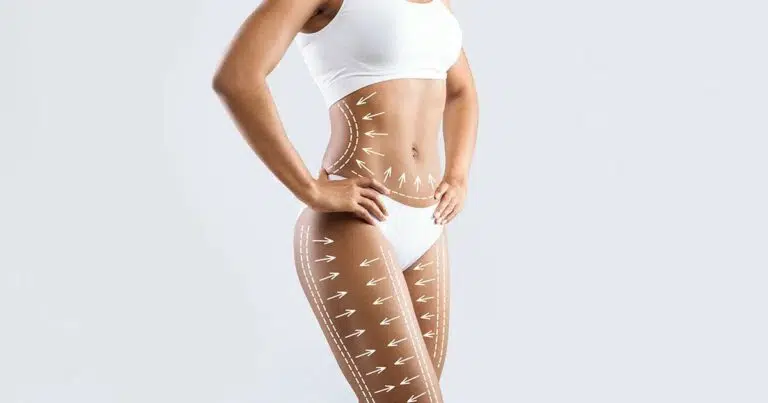
Stomach liposuction, frequently called abdominal liposuction, removes subcutaneous fat deposits from the stomach, waist, and flanks (love handles). Although liposuction (or lipo for short) removes fat, it isn’t a weight loss procedure. Instead, it is a contouring procedure that smooths the abdomen and flanks for a sleeker, more toned look.
What Can Stomach Liposuction Help With?
Stomach liposuction generally stays in the abdominal area but sometimes includes the flanks. The procedure helps with:
- Stubborn belly fat that does not respond to diet and exercise
- A lower belly pouch
- Uneven abdominal fat distribution
- Fullness around the waistline
- The appearance of your body contour under fitted clothing and in swimwear
The procedure offers many benefits, but it does have its limitations. If you want rid of excess fat in your stomach and back, lipo 360 is likely a better option for you than stomach liposuction. It’s also important to understand that abdominal liposuction does not remove loose skin. It won’t fix diastasis recti (split abdominal muscles) either. If you have one or both of these issues, you’ll need a tummy tuck rather than stomach lipo.
Who is a Good Candidate for Stomach Liposuction?
Abdominal lipo can produce pretty amazing results for the right patients, but not everyone is the right patient. Lipo isn’t a “get thin quick” solution. In fact, you may not notice any difference at all when you step on the scale after your procedure. Liposuction is more about refining and resculpting the shape of your body once you have it in a good place. Think of it as a fine-tuning procedure. Ideal candidates are:
- Near their goal weight
- Able to maintain a stable weight
- Bothered by localized stomach fat
- Still in possession of good skin elasticity
- In good overall health
- Realistic in their expectations for the procedure
Unfortunately, you may not be a good candidate for stomach lipo if you have:
- Significant amounts of loose skin
- A large amount of weight to lose (But we see you working on it, and we’re proud!)
- An excess of visceral fat behind the abdominal muscle
- Diastasis recti
Poor candidacy for abdominal liposuction doesn’t mean we can’t help you. You may simply be a better candidate for a tummy tuck. We also offer skinny shots to help you on your weight loss journey. Even if you’re not a good stomach lipo candidate now, you could be in the future.
Stomach Liposuction Procedure
During abdominal liposuction, small incisions are made on or near your stomach. The precise location can change depending on where your fat pockets are, but these scars are discreet, small, and round, often looking more like freckles than scars when healed. A thin cannula is used to remove the unwanted fat as your plastic surgeon carefully creates a new abdominal contour for you. You may choose to have the procedure under general anesthesia or opt for awake liposuction, if you prefer.
Recovery After Stomach Liposuction
After abdominal lipo, you will experience swelling and bruising. A tight sensation in the abdomen is also common, as is some numbness and/or tingling in the area as the nerves heal. Not to frighten you, but you will have some soreness and discomfort. We certainly won’t leave you in agony! But many patients underestimate how sore they will be after stomach lipo. It is a minimally invasive procedure, but your body still needs time to recover.
Most patients can resume light activities in just a few days, but you may need to put exercise and more strenuous activities on hold for several weeks. You’ll also need to accept a compression garment as part of your life for a few weeks after stomach lipo. We recommend having two garments so you can wash one while you wear the other.

Stomach Liposuction Results
Your final lipo results will be visible in a few months when all of your residual swelling subsides. When you see them, know that these results are permanent — sort of. They are permanent in the sense that the fat cells we remove during the procedure are never coming back. But your body can still change.
If you gain (or lose) a significant amount of weight, your remaining fat cells will react accordingly. Gaining a lot of weight will cause the cells to expand, while losing weight makes them shrink. If you gain enough weight, your body will cleverly make new fat cells and put them wherever it wants. Both changes in the size and number of fat cells can change your stomach lipo results, making it vital to maintain a stable weight after surgery.
Those with less-than-ideal skin elasticity may notice that their abdominal liposuction resulted in some hanging skin. To prevent this, consider adding a skin-tightening procedure like J-plasma to your procedure. This doesn’t work to remove existing hanging skin, but it can help tighten skin with imperfect elasticity.
Stomach Liposuction vs Tummy Tuck vs Lipo 360
Some patients find it difficult to determine whether they’re best suited for stomach lipo, lipo 360, or a tummy tuck. We can help you decide at your free virtual consultation based on your current body shape and personal aesthetic goals. This brief table provides a useful overview to help point you in the right direction.
| Procedure | Best For | What It Treats |
|---|---|---|
| Stomach Liposuction | Localized belly fat | Upper/lower abdomen fat, waist, sometimes flanks |
| Lipo 360 | Complete torso contouring | Abdomen, waist, flanks, back |
| Tummy Tuck | Loose skin or muscle separation | Excess skin, abdominal muscles, lower belly contour |
No matter what procedure you need, we’re here to support you and see you through it safely.